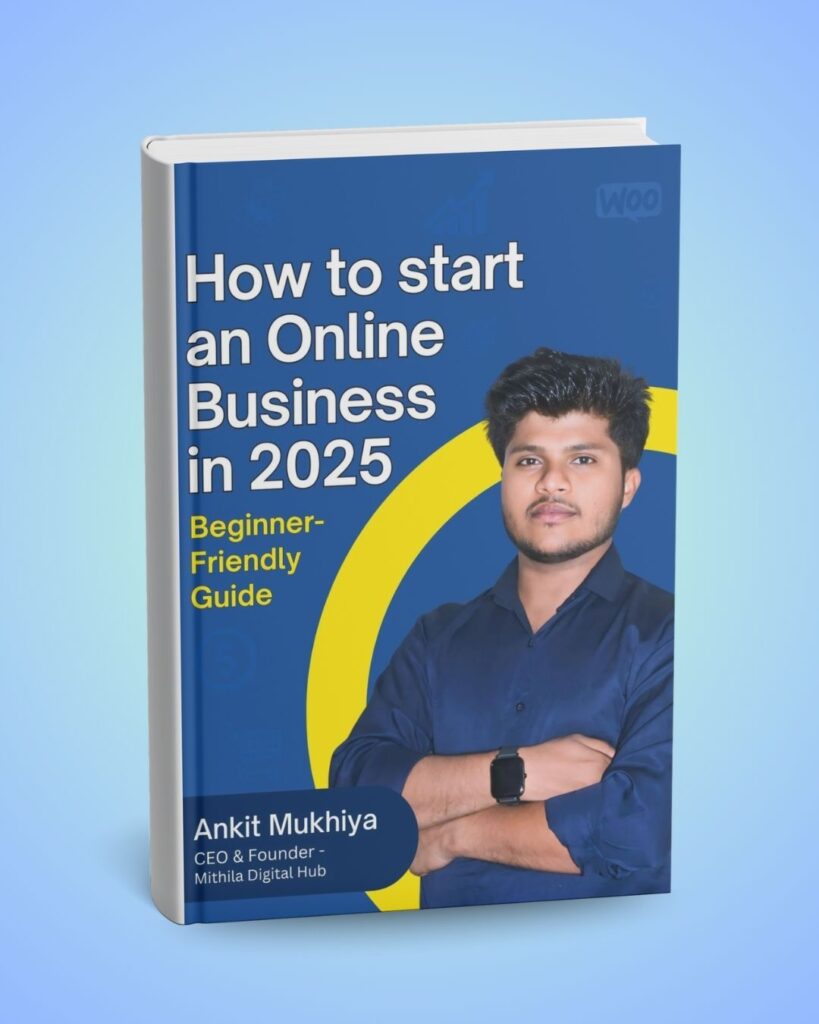
Online Business in 2025: trends in 2025 – future Opportunities & Growth Key Trends and Strategies for Success
The landscape of online business is constantly evolving, and 2025 is expected to bring exciting new opportunities for entrepreneurs, startups, and established businesses alike. The rapid growth of e-commerce, digital marketing, and emerging technologies is transforming the way we do business. As the digital world becomes even more competitive, it is crucial to stay ahead of the curve to maintain a strong presence and continue to grow. In this blog, we will explore the key trends and strategies that businesses should follow to ensure success in 2025.
The Explosive Growth of E-Commerce
Digital Marketing Trends 2025: Staying Ahead of the Curve
E-commerce has experienced a surge in popularity over the past decade, and this trend shows no signs of slowing down in 2025. The COVID-19 pandemic accelerated the shift to online shopping, and today, more people are shopping online than ever before. According to Statista, global e-commerce sales are expected to reach over $6.3 trillion by 2025.
Consumers are now more comfortable making purchases online, and they expect fast, convenient, and seamless shopping experiences. Whether you’re selling physical products, digital goods, or services, setting up an online store has become essential for business success.
What You Can Do:
Create an e-commerce website using platforms like WooCommerce or Shopify, which allow you to easily set up an online store with minimal effort.
Make sure your store is mobile-friendly. With a significant portion of shopping done via smartphones, ensuring your website is responsive and optimized for mobile devices is crucial.
Focus on customer experience by offering fast and easy checkout processes, secure payment options, and efficient delivery methods.
Personalization: The Secret to Customer Loyalty
As competition in the online space intensifies, businesses must go beyond simply offering good products and services. Consumers are now looking for personalized experiences that make them feel valued and understood. By 2025, personalized marketing and customer interactions will be more important than ever.
Using data-driven strategies and technologies like AI, businesses can deliver tailored recommendations, content, and offers based on customer preferences and behavior. Whether it’s through personalized emails, product recommendations, or targeted advertisements, delivering relevant experiences can significantly boost customer loyalty and conversion rates.
What You Can Do:
Leverage AI and machine learning to analyze customer data and provide personalized experiences at every touchpoint.
Utilize personalized email marketing campaigns and remarketing ads that cater to individual customer preferences.
Offer loyalty programs and exclusive deals for repeat customers to foster long-term relationships.
The Continued Dominance of Social Media Marketing
Social media platforms are not just for socializing anymore; they are powerful tools for businesses to connect with their audience, build brand awareness, and drive sales. In 2025, social media marketing will continue to dominate the digital marketing landscape. Platforms like Instagram, Facebook, TikTok, and LinkedIn are among the top channels where consumers spend most of their time.
Social media also enables businesses to interact with customers in real time, answer their queries, and engage in conversations that build trust and rapport. The introduction of social commerce features on platforms like Instagram and Facebook allows businesses to sell directly to customers, making it easier than ever to convert followers into buyers.
What You Can Do:
Establish a strong social media presence by regularly posting engaging content and interacting with your followers.
Utilize social media ads to target specific audiences based on demographics, interests, and behaviors.
Use social commerce features to sell products directly through platforms like Instagram Shopping or Facebook Marketplace.
Video Content as a Primary Marketing Tool
Video content is one of the most engaging and effective forms of communication in the digital age. According to Cisco, by 2025, video will account for 82% of all internet traffic. From product demos to customer testimonials and behind-the-scenes footage, videos help businesses showcase their products and connect with their audience on a deeper level.
In addition to traditional video content, live streaming will continue to gain popularity in 2025. Live streams offer a real-time interaction that fosters a sense of authenticity and urgency, making them ideal for product launches, Q&A sessions, and exclusive promotions.
What You Can Do:
Create high-quality product videos that demonstrate how your products work or highlight their features.
Start using live streaming on platforms like Facebook, Instagram, or YouTube to engage with your audience in real-time.
Leverage short-form videos on platforms like TikTok or Instagram Reels to grab the attention of users and promote your brand in a fun and creative way.
Voice Search and AI Integration
As voice assistants like Alexa, Siri, and Google Assistant become more integrated into daily life, voice search is expected to revolutionize the way consumers find products and services online. By 2025, it’s estimated that more than half of all online searches will be done via voice commands.
For businesses, this means optimizing websites for voice search to ensure they appear in relevant search results. In addition, integrating artificial intelligence (AI) into e-commerce websites, customer service, and marketing can help automate tasks and improve user experience.
What You Can Do:
Optimize your website for voice search by focusing on long-tail keywords and conversational phrases.
Implement chatbots powered by AI to automate customer support and answer common queries.
Explore AI-powered tools for personalized recommendations, dynamic pricing, and inventory management.
Sustainability and Ethical Business Practices
In 2025, sustainability will be at the forefront of consumer decision-making. As environmental concerns grow, more consumers are choosing brands that prioritize eco-friendly practices, ethical sourcing, and social responsibility. According to a Nielsen survey, 66% of global consumers are willing to spend more on sustainable brands.
For businesses, adopting sustainable practices not only helps the planet but also strengthens brand loyalty and attracts a conscientious consumer base.
What You Can Do:
Implement sustainable practices in your supply chain, packaging, and manufacturing processes.
Communicate your commitment to sustainability through marketing campaigns, social media, and your website.
Offer eco-friendly products and emphasize their environmental benefits to appeal to eco-conscious customers.
Subscription Models: A Steady Revenue Stream
Subscription-based business models are becoming increasingly popular, providing businesses with a steady stream of recurring revenue. From subscription boxes and digital content to software-as-a-service (SaaS) platforms, businesses can benefit from the predictability and customer loyalty that come with subscriptions.
As more consumers look for convenience and value, offering a subscription service in 2025 can provide a competitive edge.
What You Can Do:
Explore the potential of subscription services in your industry, whether it’s through product deliveries, exclusive content, or services.
Offer tiered subscription plans that cater to different customer needs and budgets.
Use automated billing systems to simplify the subscription process and improve customer retention.
The Omnichannel Experience
Providing a seamless customer experience across multiple platforms will be essential in 2025. Consumers expect businesses to engage with them on various channels, including websites, social media, mobile apps, and physical stores. A cohesive omnichannel strategy ensures that customers receive consistent experiences no matter where they interact with your brand.
What You Can Do:
Create a unified brand experience across all channels — your website, social media, email, and in-store (if applicable).
Implement cross-channel marketing campaigns that provide consistent messaging and offers.
Use data analytics to track customer behavior across different touchpoints and personalize their experience.
Conclusion
The online business world is evolving at a rapid pace, and 2025 promises to be a year full of exciting possibilities. By embracing the latest trends and implementing the right strategies, businesses can position themselves for success in the ever-competitive digital marketplace. Whether it’s building an e-commerce store, leveraging AI, or focusing on sustainability, staying adaptable and customer-focused is key.